
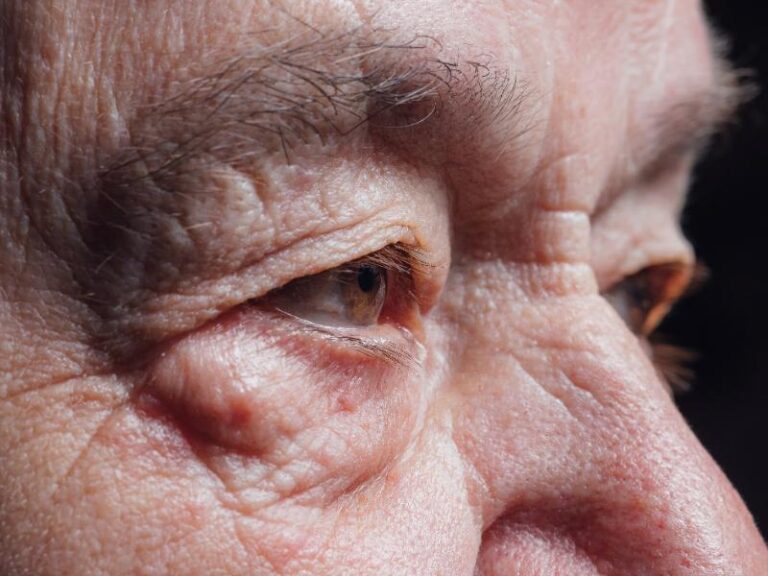
The lower eyelid normally rests close against the eye. When the eyelid turns outward, the position of the lid changes and may affect how the eye and eyelid work together. Understanding the signs can help you know when it may be time to have the area evaluated by an eyelid specialist.
What should you know if your lower eyelid turns outward?
Some people notice excessive tearing, dryness, irritation, redness, or difficulty keeping the eyelid fully closed. An ectropian eye may involve more than a visible change in your eyelid position. An examination can help determine what’s affecting your eyelid and what treatment options may be appropriate.
Here are several details to understand:
- The Lower Eyelid May Sit Away From the Eye: An ectropion causes the eyelid margin to turn outward instead of resting normally against the eye.
- Tearing May Become Noticeable: Changes in eyelid position can affect the way tears move across and drain from the eye.
- Dryness and Irritation May Occur: When the eyelid does not sit normally against the eye, the surface may feel different or become irritated.
- Several Causes Are Possible: Age-related tissue changes, previous procedures, injury, and certain facial nerve conditions can all be associated with ectropion.
- An Eyelid Specialist Helps Evaluate the Cause: The appropriate treatment depends on the specific type and cause of the eyelid change.
At Eyelid Pros, we help patients understand concerns involving the eyelids and surrounding structures. Our specialists can evaluate your individual situation and explain the options available based on your eyelid position and overall needs. Contact our team today to book a consultation to learn more!
Recognizing the Details Behind an Ectropian Eye
How does an eyelid specialist evaluate an ectropian eye?
An eyelid specialist can examine the lower eyelid, surrounding tissues, eyelid movement, and how the lid sits against the eye. The evaluation may also include questions about previous surgery, injuries, changes over time, and other symptoms that may help identify the possible cause.
Here are several things that may be considered during an evaluation:
The Eyelid Position Provides Important Information
One of the clearest signs of ectropion is an outward-turning lower eyelid.
The amount of outward movement may vary. In some cases, only part of the lower eyelid may pull away from the eye, while in other cases, more of the lid may turn outward.
An examination allows the specialist to look closely at the lid position rather than relying only on what can be seen in a mirror.
Changes in Tearing Can Be Connected to Eyelid Position
Tears normally spread across the eye and move toward small drainage openings located near the inner corner of the eyelids.
When the lower eyelid turns outward, these structures may no longer sit in their usual position. This may affect the normal movement of tears and may lead to noticeable watering.
If you suddenly find yourself wiping one eye throughout the day, it can be useful to mention that change during an eyelid evaluation.
Dryness and Irritation May Also Be Part of the Picture
Some people notice dryness, redness, irritation, or a feeling that something is in the eye.
These symptoms can have many possible causes, so an examination is important before assuming that ectropion is responsible.
Treatment Depends on the Individual Situation
There isn’t one treatment approach that fits every person with ectropion.
The appropriate option may depend on the cause, how much the eyelid has changed position, the condition of the surrounding tissues, and other individual factors.
Depending on the situation, an eyelid specialist may discuss observation, temporary supportive measures, or surgery. If surgery is considered, the specialist can explain what the procedure involves and what recovery may look like.
Discuss Your Ectropian Eye With Eyelid Pros
An outward-turning lower eyelid may involve changes in appearance, tearing, dryness, or irritation. Because several factors can contribute to ectropion, understanding the cause is an important part of deciding what to do next!
Are you noticing an outward-turning lower eyelid or changes around your eye? Contact Eyelid Pros to schedule a consultation and discuss your individual symptoms and treatment options!
